 How-to
Does a Sunroom Raise Property Taxes in Georgia?
Last Updated: November 8, 2026
Quick Summary
A permanent sunroom can raise your property tax bill in Georgia because it is usually treated as an addition that increases your assessed value. How much it raises your taxes depends on the room's size, construction and your county's assessment practices. Following the sunroom property tax process early helps you forecast the impact.
- Permanent, enclosed sunrooms are the most likely to be added to your assessment.
- Four-season sunrooms with heating and cooling are often valued higher than three-season rooms.
- Estimate the tax impact by multiplying added value by the assessment ratio and local millage rate.
- Ask your county assessor how a new addition is treated under any homestead or assessment limitation program.
- Georgia homeowners can appeal an assessment they believe is too high, but must act within the deadline.
Table of Contents
- How Georgia Property Tax Assessment Works
- Does a Sunroom Increase Your Property Tax Bill?
- Sunroom Addition Property Value: What Assessors Look At
- Georgia Homestead Exemptions and Assessment Limits
- Building Permits, Inspections and Assessor Records in Georgia
- How to Appeal a Property Tax Assessment in Georgia
- Plan Your Sunroom Project and Request a Free Quote
- Frequently Asked Questions
Adding a sunroom can raise your property tax bill in Georgia, but the answer depends on what kind of room you build and how your county assesses it. Understanding the sunroom property tax picture before you build helps you plan with confidence. A permanent sunroom is usually treated as an addition to the home, which can raise its assessed value. This guide explains how the system works and what to expect.
How Georgia Property Tax Assessment Works
Georgia taxes property on a value that is set by the county, not by the price you paid. Understanding three different values makes the rest of the process much clearer.
Market value, assessed value and taxable value
Market value is what the assessor estimates your home would sell for. Assessed value is a percentage of market value that the state sets, and the county applies it to your property. Taxable value is the assessed value minus any exemptions you qualify for, such as a homestead exemption. Your tax bill is calculated from the taxable value using the local millage rate.
Because the assessed value follows market value, a visible improvement like a sunroom can push it higher at the next reassessment, which is why the sunroom property tax impact is worth estimating early.
Why permanent additions are treated differently
Assessors generally look at whether an improvement is permanent and attached to the structure. A sunroom with a solid foundation, roof and walls is usually considered a permanent addition, while a freestanding gazebo or portable screen room may not be. Permanent additions are more likely to appear on your assessment record and affect value.
Does a Sunroom Increase Your Property Tax Bill?
In most cases, a permanent sunroom can increase your assessed value and therefore your property taxes. The size of the increase depends on the room's square footage, its construction quality and local assessment practices.
Here is what most homeowners should expect:
- Permanent, enclosed sunrooms are the most likely to be added to your assessment.
- Improvements are usually noticed through permits, aerial imagery or a property inspection.
- Your tax bill rises gradually as the new value enters the assessment roll.
Three-season vs. four-season sunrooms
The type of sunroom matters. A three-season sunroom is typically screened or has limited glazing and is not fully climate controlled. A four-season sunroom is fully enclosed, insulated and designed for year-round use, often with heating and cooling.
The choice between a three-season and four-season room affects both your comfort and your tax picture.
How the tax increase is calculated
You can estimate the impact with a simple process:
- Find your current assessed value on your county assessment notice.
- Estimate the added value of the sunroom, based on the assessor's valuation method and comparable projects.
- Multiply the added value by the local assessment ratio that applies in your county.
- Multiply that result by the millage rate for your jurisdiction.
The result is an approximate annual increase. Your county assessor's office can confirm the actual figures for your property.
Sunroom Addition Property Value: What Assessors Look At
Assessors review several factors when valuing an addition:
- Square footage and height of the new space
- Type of foundation and roof
- Quality of materials and finishes
- Whether the room is heated or cooled
- Comparable sales of similar homes in your area
A well-built sunroom adds value by extending usable living space. Keep your records, since the documentation you can show helps during any review of your assessment.
Assessors weigh several factors when they value a new sunroom addition, as summarised below.
| Factor | What assessors check | Why it matters |
|---|---|---|
| Size | Square footage and height of the new space | Larger space adds more value |
| Construction | Foundation and roof type | Permanent builds are assessed more fully |
| Finishes | Quality of materials and finishes | Higher quality raises value |
| Climate control | Whether the room is heated or cooled | Conditioned space is valued higher |
| Comparables | Sales of similar homes nearby | Anchors the estimated value |
Georgia Homestead Exemptions and Assessment Limits
Georgia's homestead provisions are the main reason two identical sunrooms can produce different tax bills in different counties. The statewide framework sets the floor, but counties administer the exemptions and some add local programs, so the practical answer for your parcel comes from your county board of assessors.
The statewide homestead exemption
Georgia's general homestead exemption reduces the taxable value of a primary residence. Exemption amounts and eligibility rules can be supplemented by county and municipal programs, so the figure on your notice may differ from a neighbor's in another county. The key point for a sunroom project is mechanical: the exemption reduces taxable value after the assessment ratio is applied, so it lowers the base on which millage is charged but does not make the added value disappear.
Assessment caps and how they interact with a new addition
Some Georgia counties may offer local assessment limitation programs for homesteaded property. Whether and how any cap applies to a new addition depends on the program your county uses, so confirm the treatment with your county assessor.
Assuming a cap will absorb the full value of a new sunroom can lead to surprises, so ask your county how it applies.
Other exemptions that can change the math
Other exemptions may also be available to eligible homeowners, each with its own eligibility rules and application process. If you qualify for one of these, confirm whether it applies to the added value from your sunroom or only to the base homestead amount, the answer varies by program.
How to verify your situation before you build
- Pull your current assessment notice and identify the assessed value, the exemption amount applied, and the taxable value.
- Ask the county whether your parcel is enrolled in a homestead exemption and any local assessment limitation program, and request the program name in writing.
- Ask how a new permanent addition is treated under that program, whether it is added to the capped base, triggers a reassessment, or is handled at the next cycle.
- Confirm filing deadlines for any exemption you are eligible for but not yet receiving; missing a deadline can delay the benefit by a year.
- Keep your closing documents and prior notices so you can show your baseline if the post-construction assessment looks inconsistent.
Because exemption amounts, caps, and eligibility rules are set at the state level but administered locally, the only authoritative answer for your home is the one your county assessor provides for your parcel. A short conversation before construction gives you a realistic tax forecast and a paper trail if the post-build assessment needs to be questioned.
Building Permits, Inspections and Assessor Records in Georgia
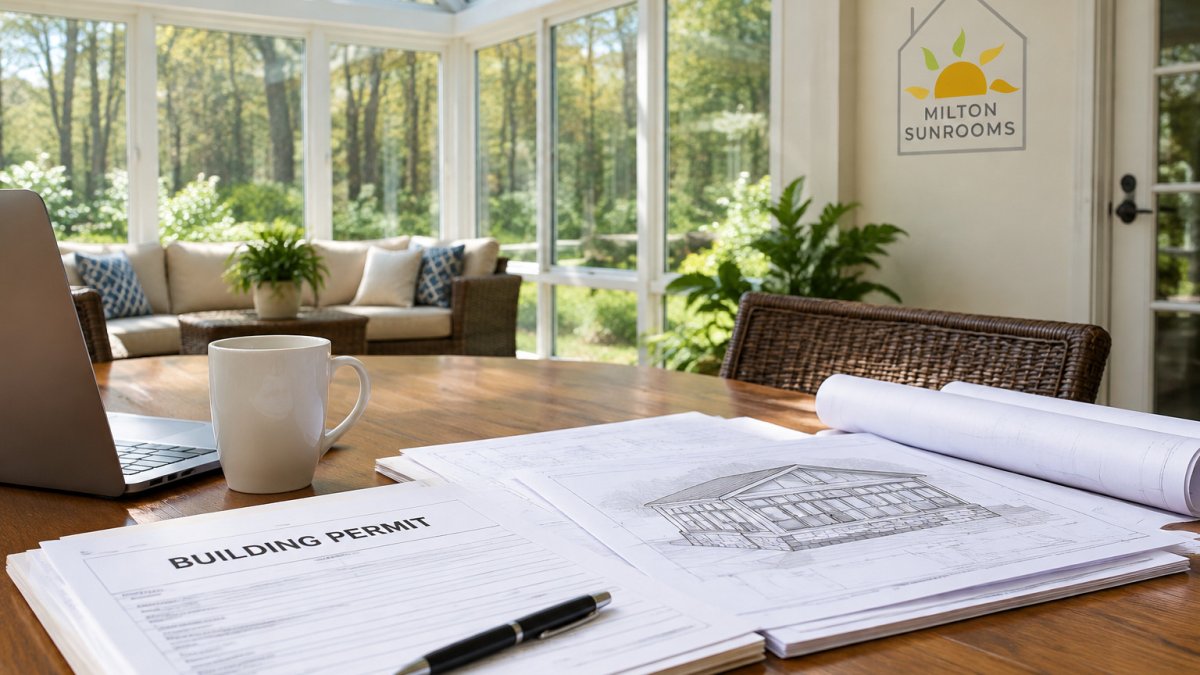
Permanent sunroom projects commonly require a building permit, which may involve inspections. Records from these steps often reach the county assessor's office, which is one of the main ways a new addition gets added to your property record.
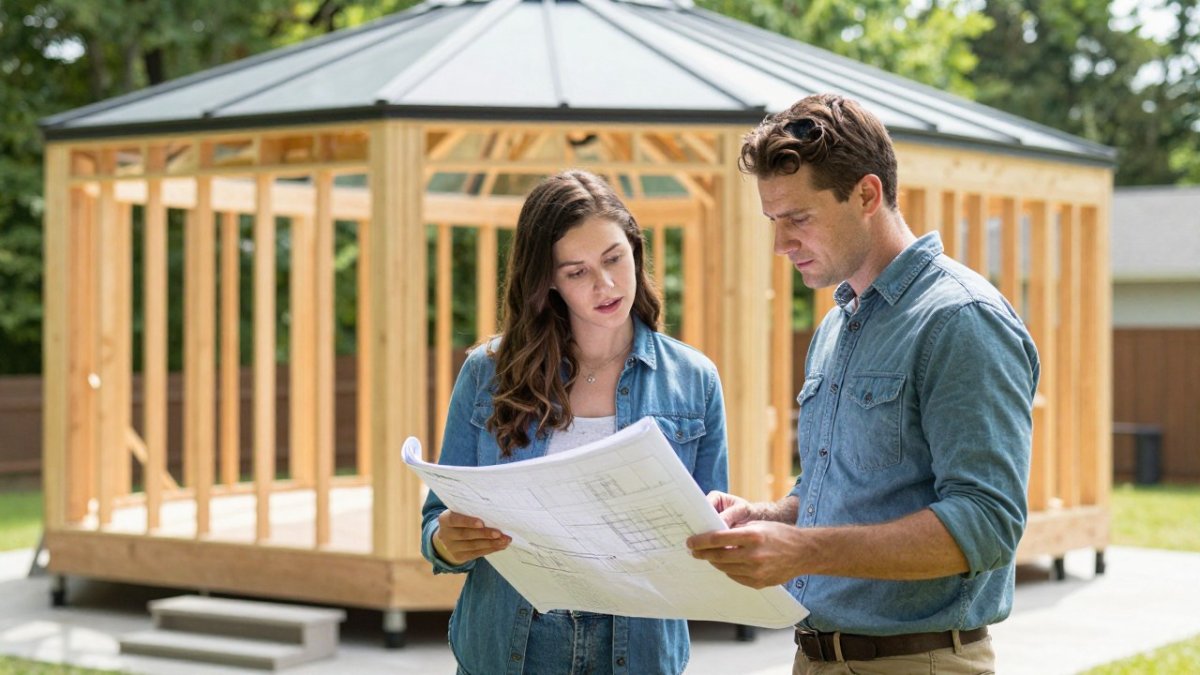
Here is the typical sequence:
- Apply for a building permit before construction starts.
- Schedule required inspections during and after the build.
- Receive a certificate of completion or occupancy when the work passes.
- Expect the assessor to update your record, often at the next assessment cycle.
Timing matters. Work completed late in the year may not show up on your bill until the following tax year. Ask your county how permit and assessment timing works in your area.
How to Appeal a Property Tax Assessment in Georgia
If you believe your assessment is too high, you have the right to appeal. Assessment notices include a deadline for filing an appeal, so act promptly once you receive yours (Protests and Appeals).
A strong appeal usually includes:
- Comparable sales of similar homes that sold for less than your assessed value
- Evidence of errors in your property record, such as wrong square footage
- Documentation of condition issues that lower value
Start by talking with your county assessor's office. Many disputes are resolved informally. If not, you can move to a formal appeal and, if needed, a hearing.
Plan Your Sunroom Project and Request a Free Quote
Adding a sunroom can bring year-round comfort, fresh air and protection from bugs and weather, along with a likely increase in property value. The tax effect is real but manageable when you plan for it. Pricing depends on design, size and site conditions, so request a written, project-specific quote for current costs.
At Milton Sunrooms, we build custom sunrooms, porches and patio enclosures, and we can repurpose an existing deck or porch when the structure allows. We build to your exact specifications and offer a 100% customer satisfaction guarantee.
Ready to see what a sunroom could look like on your home? Contact Milton Sunrooms to request a free quote.
FAQ
Does a sunroom always raise property taxes?
Not always, but a permanent sunroom is likely to increase your assessed value. The actual effect depends on the room type, size and your county's assessment practices.
Is a three-season sunroom taxed differently than a four-season sunroom?
Often, yes. Four-season rooms are usually treated as conditioned living space, which can carry a higher assessed value than a three-season room.
Do I need a permit for a sunroom in Georgia?
Most permanent sunroom additions require a building permit. Check with your local building department before starting work.
Can I appeal my assessment if my taxes go up?
Yes. Georgia homeowners can appeal an assessment they believe is too high, usually within a set deadline after the notice is mailed (PT-311A Appeal of Assessment Form).
Frequently Asked Questions
Do sunrooms increase property taxes?
A permanent sunroom can raise your property's assessed value, which can raise your property tax bill. Whether it does depends on the size and quality of the addition, the local assessor's valuation method, and the millage rate in your county. Temporary or unenclosed structures are often treated differently. Check your county tax assessor's records after completion to see how the addition was classified and valued.
Does a permitted sunroom addition automatically increase property taxes?
A permit by itself does not automatically change your assessment, but permits and final inspections often trigger a review of your property record. Once the county learns of the completed improvement, the assessor may update the assessed value at the next assessment cycle. Keeping your permit and inspection documents makes it easier to confirm the square footage and features the assessor should be using.
Can I appeal a property tax assessment after adding a sunroom?
Yes. If the assessed value of your home seems too high, or the sunroom is listed with incorrect size or features, you can file an appeal with your county board of assessors within the deadline shown on your assessment notice. Gather recent comparable sales, your permit and inspection records, and photos showing the actual condition of the addition to support your case.
How much could a sunroom increase a home's assessed value?
The increase depends on the sunroom's square footage, construction quality, and how the local assessor values improvements. Pricing depends on design, materials and site conditions, so request a written quote from Milton Sunrooms for current project costs. Your county assessor's office can explain how it values additions in your area.