 Ultimate guide
Best Materials for Durable Sunroom Construction
Last Updated: October 27, 2026
Quick Summary
The best materials for durable sunroom construction are those matched to your climate, maintenance tolerance, and existing structure, because no single material wins everywhere. A durable sunroom is a system where frame, glazing, roof, and floor must work together, so decide glazing and frame together rather than in isolation.
- Aluminum frames need a thermal break to keep the room usable year-round.
- Wood frames require periodic sealing and painting and weather faster in humid climates.
- Double-glazed units are heavier, so the frame and roof must be sized for the load.
- Polycarbonate offers the highest impact resistance and blocks most UV.
- Confirm the applicable code edition and local amendments before ordering glazing.
Table of Contents
- How Material Choices Decide Whether Your Sunroom Lasts
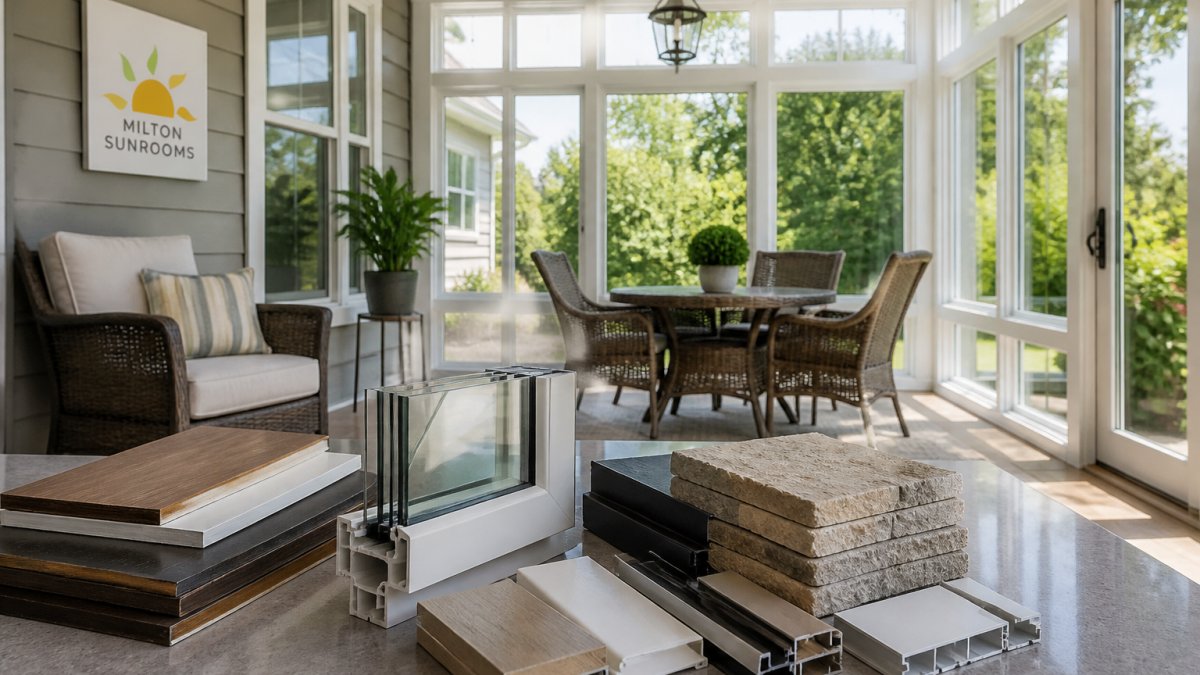
- Frame Materials: Aluminum, Wood, and Vinyl Compared
- Aluminum vs. Vinyl Sunroom Frames: Which Holds Up Longer
- Sunroom Glass Options: Tempered, Double-Glazed, Acrylic, and Polycarbonate
- The Best Material for a Sunroom Roof
- Sunroom Flooring Ideas Built for Moisture and Sunlight
- Climate, Codes, and Lifecycle Cost: What Most Buyers Overlook
- Plan Your Durable Sunroom With a Free Quote
- Frequently Asked Questions
How Material Choices Decide Whether Your Sunroom Lasts
The best materials for durable sunroom construction are those that match your climate, your maintenance tolerance, and the existing structure they attach to. The honest answer is that no single material wins everywhere. A durable sunroom is a system: frame, glazing, roof, and floor have to work together.
That is where most guides fall short. They list materials in isolation and skip the part that actually determines lifespan: how the pieces interact.
Below, we break down each component and compare the trade-offs.
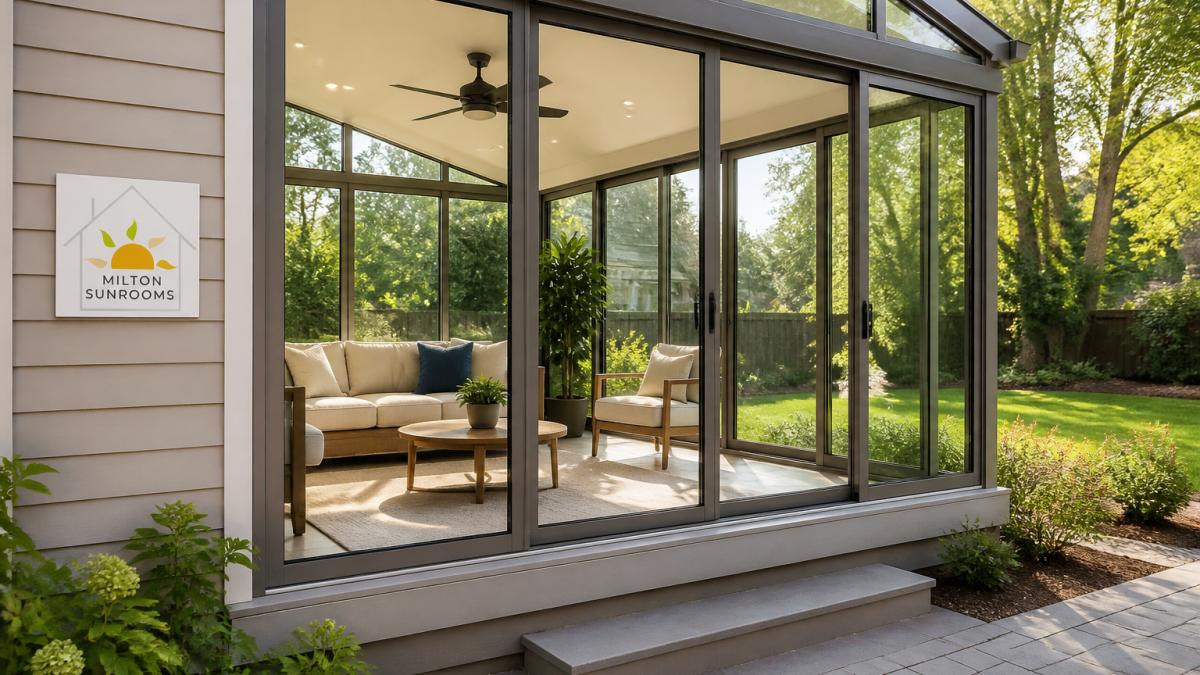
Frame Materials: Aluminum, Wood, and Vinyl Compared
A common mistake is choosing a frame on looks alone. The frame carries the roof load and anchors every glass panel, so it should be the first decision, not the last.
Aluminum Frames: Strength, Corrosion Resistance, and Finish Options
The catch is thermal performance. Aluminum conducts heat, so frames need a thermal break to keep the room usable in summer and winter. What most guides miss is that the thermal break, not the aluminum itself, is what separates a year-round room from a three-season one.
Wood Frames: Warmth and Insulation With a Maintenance Cost
The maintenance cost is real. Wood needs periodic sealing and painting, and it will weather faster in humid climates if neglected. If you want a low-maintenance room, wood is the wrong frame. If you want character and will keep up with it, wood earns its place.
Aluminum vs. Vinyl Sunroom Frames: Which Holds Up Longer
Here is the practical split:
| Factor | Aluminum | Vinyl |
|---|---|---|
| Structural strength | High | Moderate |
| Heat tolerance | High | Lower |
| Maintenance | Low | Very low |
| Color options | Wide, fade-resistant | Limited |
| Best for | Large rooms, heavy roofs | Smaller, budget builds |
Best for aluminum: large enclosures, hot climates, and rooms supporting a solid roof. Skip vinyl if: you are building a big room or want a specific color that holds for decades.
Sunroom Glass Options: Tempered, Double-Glazed, Acrylic, and Polycarbonate
Glazing is where a sunroom's comfort, safety, and long-term cost are decided. The four common choices, tempered glass, double-glazed glass, acrylic, and polycarbonate, differ in impact resistance, UV transmission, thermal performance, scratch resistance, and service life. Most guides describe them in general terms; the useful comparison is measurable.
Tempered Glass
Tempered glass is heat-treated so it breaks into small, blunt granules rather than sharp shards, which is why model codes require safety glazing in hazardous locations such as glass near doors, low glass, and large panes. It resists impact far better than annealed glass and holds clarity for decades. Its weakness is thermal performance: a single pane of tempered glass has a low insulating value and will condense in cold weather unless paired with a second pane or a low-emissivity coating.
Double-Glazed (Insulating) Glass
Double-glazed units add a sealed air or gas gap between two panes, which raises thermal performance and reduces condensation on the room-side surface. Low-emissivity coatings further reduce heat transfer, and argon fill improves it. The trade-offs are weight and cost: an insulating unit is heavier than a single pane, so the frame and roof structure must be sized for it, and the sealed unit has a finite service life, seal failure shows as haze or fogging between panes and requires replacement of the unit.
Acrylic
Acrylic is lighter than glass and clearer than polycarbonate, and it resists impact better than glass. It scratches more easily, can haze over years of sun exposure, and expands and contracts more with temperature, which stresses seals. It is a reasonable choice for budget or three-season rooms but a weaker long-term bet for a room you plan to keep for decades.
Polycarbonate
Polycarbonate offers the highest impact resistance of the common glazing choices and blocks most UV, protecting furniture from fading. Multiwall polycarbonate adds insulating air cells, improving thermal performance at low weight. It scratches, yellows over time under intense UV unless it carries a UV-resistant coating, and has a shorter clarity lifespan than glass.
How to Compare Them
| Glazing | Impact resistance | Thermal performance | Scratch resistance | Clarity lifespan | Relative weight |
|---|---|---|---|---|---|
| Tempered glass (single) | High | Low | High | Decades | High |
| Double-glazed glass | High | High | High | Decades (unit seal is the limit) | Highest |
| Acrylic | Moderate-high | Moderate | Low | Years, hazes | Low |
| Polycarbonate | Highest | Moderate-high (multiwall) | Low | Years, yellows without coating | Low |
Code and Safety Glazing
Safety glazing requirements are not uniform, they depend on pane size, location, and proximity to doors and walking surfaces, and they are enforced through your local building department. Model codes such as the International Residential Code address glazing in hazardous locations, and the International Code Council publishes the referenced standards. Confirm the applicable edition and local amendments before ordering glazing; substituting a plastic panel where safety glazing is required can fail inspection.
Compatibility With Frames and Roof
Glazing choice cannot be made in isolation. Heavier insulating glass demands a frame and roof structure sized for the load, and different glazing materials expand at different rates, so seals and gaskets must match the glazing type. A frame designed for polycarbonate may not carry double-glazed glass without added structural support. Decide glazing and frame together, and confirm that flashing and seal details are specified for the glazing you choose.
The Best Material for a Sunroom Roof
Roofing components decide how the room performs in heavy rain. Proper flashing, fin seal details, and pitch matter as much as the panel itself. According to guidance from the International Code Council, structural and weatherproofing requirements vary by jurisdiction, so confirm local code before you commit to a roof system.
For a closer look at which roof style sheds water best, see our guide on which sunroom roof handles heavy rain best.
Sunroom Flooring Ideas Built for Moisture and Sunlight
Treated wood and wicker furnishings pair well with tile floors, but keep wood flooring out of rooms prone to humidity unless it is engineered for it. For sunroom flooring ideas, prioritize scratch resistance and moisture tolerance over trend.
Climate, Codes, and Lifecycle Cost: What Most Buyers Overlook
Most material guides stop at a list of options. The decisions that actually determine whether a sunroom lasts are climate-specific selection, code compliance, and total cost of ownership over the room's life. This section covers all three, the angles most competing guides skip.
Climate-Specific Material Selection
- Hot and humid climates: Corrosion resistance and thermal breaks matter most. Aluminum with a thermal break and powder-coated finish resists corrosion and UV fading; untreated wood and some vinyls degrade faster. Glazing should manage condensation, so double-glazed units with warm-edge spacers outperform single panes.
- Coastal and salt-air environments: Salt accelerates corrosion on unprotected metal. Specify marine-grade or heavily coated aluminum, stainless or coated fasteners, and avoid dissimilar-metal contact that drives galvanic corrosion. Vinyl avoids corrosion but can chalk and fade under intense sun.
- Cold and snow-load regions: Insulation and structural load govern. Double- or triple-glazed units reduce heat loss and condensation; the roof and frame must be engineered for snow load, which often rules out lightweight plastic roof panels in heavy-snow zones.
- High-wind and storm regions: Impact resistance and anchorage decide performance. Polycarbonate and laminated glass resist impact better than annealed glass; the frame-to-structure connection and flashing details matter as much as the panel.
- Desert and high-UV regions: UV transmission and heat gain dominate. Low-emissivity coatings, UV-blocking glazing, and reflective or insulated roof panels reduce cooling load and protect furnishings from fading.
Codes, Permits, and Safety Glazing
Sunrooms are regulated additions, and the rules are enforced locally. Model codes such as the International Residential Code address structural loads, safety glazing in hazardous locations, egress, and energy performance, and local amendments vary by jurisdiction. The International Code Council publishes the referenced codes. Before construction, confirm with your building department: the applicable code edition, required structural loads (snow, wind, seismic), safety glazing locations, egress requirements for enclosed rooms, and energy code compliance for glazing and insulation. Permits and inspections are not optional, and substituting materials after approval can require re-review.
Lifecycle Cost and Total Cost of Ownership
The cheapest materials often cost more over time through refinishing, seal failure, and replacement. To see what each option adds up to upfront, read our full price guide for adding a sunroom. A frame that resists corrosion and glazing that holds its seal reduce maintenance for decades, that is the real durability test. For practical guidance on keeping your addition dry, see how to prevent leaks in sunroom additions.
Whole-Building Compatibility
If you are comparing frame and glass systems, our four-season sunroom builder in Milton, GA page shows how these materials come together in a finished room.
Plan Your Durable Sunroom With a Free Quote
We work with existing decks and porches wherever possible.
Milton Sunrooms offers custom design and construction based on your specifications and a 100% customer satisfaction guarantee.
Get started with Milton Sunrooms and request a free quote for your custom sunroom.
Frequently Asked Questions
What is the best material for a sunroom frame?
Aluminum is the most common choice for durable sunroom construction because it resists corrosion, holds its finish through UV exposure, and supports large glass panels without bulky framing. Wood offers better insulation and a warmer look but needs repainting and moisture checks. Vinyl costs less upfront yet can warp in extreme heat. For year-round rooms in a humid climate, aluminum with a quality finish usually delivers the longest service life.
Is aluminum or vinyl better for a sunroom?
In the aluminum vs. vinyl sunroom debate, aluminum wins on structural strength, weather resistance, and lifespan, while vinyl wins on upfront cost and low maintenance. Vinyl can expand, contract, and warp under intense heat and offers less rigidity for wide spans. Aluminum handles temperature swings and heavy glazing better, which matters if you want floor-to-ceiling glass. Choose aluminum for longevity and vinyl only if budget is the deciding factor.
Which sunroom glass options hold up best over time?
Double-glazed tempered glass is the strongest performer for year-round rooms. Tempered glass resists impact and shatters into small, safer pieces, while the double pane improves thermal performance and reduces condensation. Acrylic and polycarbonate cost less and resist impact, but both scratch and yellow with prolonged UV exposure. If you plan to heat and cool the space, invest in double-glazed tempered glass.
What is the most durable flooring for a sunroom?
Porcelain tile is the most durable sunroom flooring choice. It resists moisture, fading, scratches, and temperature swings, and it works with radiant heat. Ceramic tile performs similarly at a lower cost. Natural stone looks premium but needs sealing. Resilient flooring and treated wood are warmer underfoot but demand more care in a room that sees strong sunlight and humidity.
How do you protect sunroom materials from moisture and sun damage?
Start with materials built for exposure: aluminum frames with a baked-on finish, tempered or double-glazed glass, and porcelain or ceramic tile flooring. Seal joints and use quality weather stripping and fin seals to block drafts and water intrusion. Clean frames and glass a few times a year, inspect caulk lines before rainy season, and choose fade-resistant fabrics and finishes. Good installation details matter as much as the materials themselves.
Does a sunroom add value to a home?
A well-built sunroom adds usable square footage and appeal to buyers who want indoor-outdoor living, which can support resale value. The return depends on material quality, how well the room integrates with the house, and local demand. Durable materials like aluminum framing, tempered glass, and tile flooring protect that investment because they reduce repair needs and keep the room usable year-round.