 How-to
Year-Round Indoor-Outdoor Living: A Complete Maintenance Plan
Last Updated: November 14, 2026
Quick Summary
Maintaining indoor-outdoor living year round means sealing the door and threshold, planning furniture zones with a clear walkway, and matching shade, shelter, and heating to your dominant weather. A short monthly inspection routine catches small issues before they become leaks or drafts.
- Check weatherstripping twice a year and replace it when it feels stiff.
- Build a slight slope away from the house so rain does not pool at the door.
- Exterior roller shades stop heat before it crosses the glass, unlike interior blinds.
- Never run a fuel-burning heater in a closed, unvented space because carbon monoxide builds silently.
- Clear gutters and seal gaps in fall before the first freeze.
Table of Contents
- Step 1: Build a Seamless Transition Between Indoors and Outdoors
- Step 2: Plan Layout and Traffic Flow for Year-Round Use
- Step 3: Weather-Proof the Space with Shade, Shelter, and Heating
- Sunroom Maintenance: A Month-by-Month Cleaning and Inspection Routine
- Seasonal Outdoor Living Space Maintenance Checklist
- Covered Outdoor Living Space Ideas That Hold Up to the Weather
- Outdoor Living Room Ideas for Comfort in Every Season
- Get a Free Quote for a Year-Round Sunroom from Milton Sunrooms
- Frequently Asked Questions
Step 1: Build a Seamless Transition Between Indoors and Outdoors
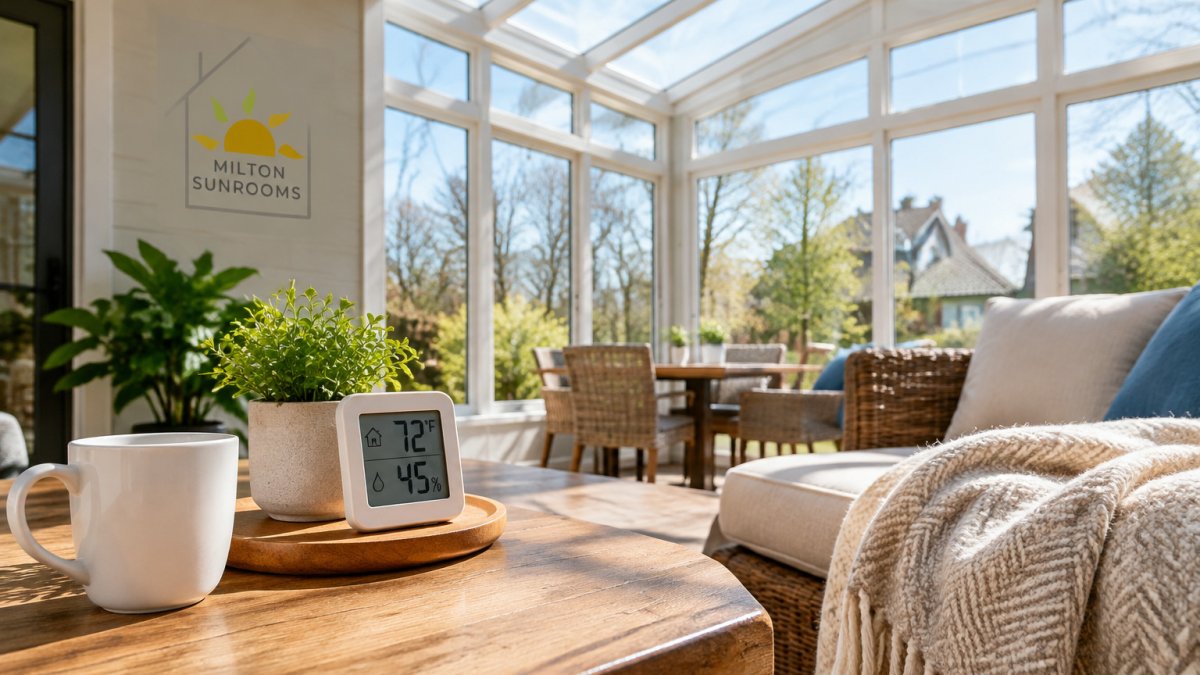
Maintaining indoor-outdoor living spaces year round starts with the seam where your house meets the sky. That seam is where most problems begin. A proper transition can turn a seasonal patio into a room you use in January.
Doors, Thresholds, and Flooring Transitions That Actually Seal
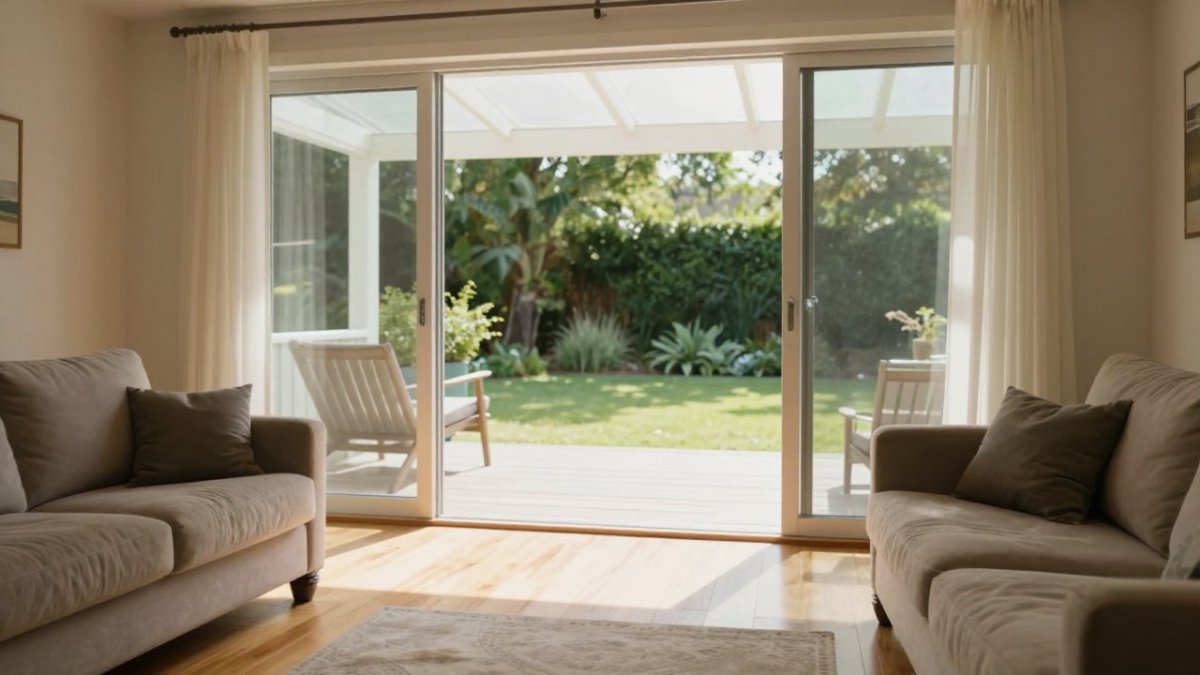
The door is the weakest link in any indoor-outdoor setup. Sliding glass doors work well because they glide on a track and seal against a gasket.
- Sliding doors: best for wide openings and easy traffic flow
- Threshold ramps: stop trips and let water drain away from the house
- Flooring transition strips: bridge two materials without a gap
A common mistake is ignoring the threshold height. If the outdoor floor sits lower than the indoor floor, rain pools at the door. Build a slight slope away from the house so water runs off.
Step 2: Plan Layout and Traffic Flow for Year-Round Use
Layout decides whether a space feels like a room or a hallway. A good plan groups furniture into functional zones and keeps a clear path between the house and the yard.
- Seating area: cluster chairs and a sofa around a focal point
- Dining zone: keep it near the door for easy serving
- Walkway: leave a clear path at least wide enough for two people
Traffic flow matters more in winter, when bulky coats and boots crowd the entry. Leave extra room near the door. If the space doubles as a sunroom, keep furniture off the glass so sunlight reaches deep into the room.
Step 3: Weather-Proof the Space with Shade, Shelter, and Heating
Weather protection is what separates a three-season room from a true year-round space. The trick is controlling sun, rain, wind, and temperature together, and the right combination depends on your climate. Most guides stop at "add a shade and a heater." The useful version is climate-specific: what you install should answer the dominant stress your space actually faces.
For readers who want a finished, insulated space built for this exact goal, our four-season sunroom service in Milton, GA covers energy-efficient windows and expert installation.
Match the Shelter to Your Dominant Weather
Start by naming the stress that ruins the most days in your space. Then build around it.
- Intense sun and heat: exterior roller shades or solar screens stop heat before it crosses the glass; a roof overhang sized to block high midday sun still admits low winter sun. Light-colored roof and floor finishes reflect rather than absorb heat.
- Rain and humidity: a solid roof with generous overhangs and gutters that discharge well away from the threshold; sloped surfaces and drainage channels at the door; mold-resistant finishes and breathable assemblies so moisture does not trap in wall cavities.
- Snow and freeze: reinforced roof framing sized for snow load, steep enough pitch to shed, and door thresholds raised above drifted-snow depth. Keep gutters and downspouts clear so ice dams do not back water under the roof edge.
A common pattern is to buy one product (a heater, a shade) and expect it to solve every season. Shelter, drainage, and ventilation have to work as a system; fixing one without the others just moves the problem.
Shade and Sunlight Control for Hot Summers
Summer heat builds fast behind glass. Shade blocks the worst of it before it turns your sunroom into an oven.
- Exterior blinds or roller shades: stop heat before it enters; exterior mounting is far more effective than interior blinds because the heat never crosses the glass.
- Roof overhangs: block high midday sun but let low winter sun in; the overhang depth is what tunes this trade-off.
- Trees and vines: natural shade that cools the air around the space; deciduous species shade in summer and drop leaves to admit winter sun.
Adjustable shade gives you control. Open it on a cool morning to warm the room, then close it by noon to keep the heat out.
Watch out: interior blinds and curtains trap heat between the fabric and the glass, which can overheat the room and stress sealed glazing units.
Heating and Fire Features for Cooler Months
Cooler months call for heat that's safe and steady. A fireplace or fire feature anchors the room and extends evening use deep into fall and winter.
- Gas fireplace: instant heat and a real flame; vented units exhaust combustion gases outdoors.
- Patio heater: quick warmth for open porches; electric or infrared units suit enclosed spaces better than fuel-burning ones.
- Insulated windows and doors: hold heat inside; low-e glass and thermal breaks in frames matter as much as the heater.
Watch out: never run a fuel-burning heater in a closed, unvented space. Carbon monoxide builds silently. Choose vented units or electric heat for enclosed sunrooms, keep a working detector nearby, and follow the manufacturer's clearance distances from furniture, walls, and combustibles around any fire feature.
Keep the Open Connection From Costing You Indoor Comfort
An open connection to the outdoors can quietly undermine the rest of the house. First, heat gain: a large unshaded glass wall acts like a solar collector, so exterior shade and low-e glazing reduce the load on your indoor cooling. Second, air exchange: a door that seals poorly lets conditioned air escape and humid or cold air enter, so weatherstripping, door sweeps, and a tight threshold do more for energy bills than a bigger heater.
Sunroom Maintenance: A Month-by-Month Cleaning and Inspection Routine
Sunroom maintenance is the habit that keeps indoor-outdoor living comfortable all year. A short monthly check catches small issues before they become leaks or drafts. Here's a suggested routine.
- January: inspect seals and weatherstripping after winter storms
- February: clean glass inside and out for maximum natural light
- March: check the roof and gutters for winter damage
- April: wash screens and clear debris from tracks
- May: test fans and cooling systems before the heat arrives
- June: inspect shade fabric and tighten hardware
- July: clean filters and check for condensation
- August: look for warping or cracking in frames
- September: service the heater before the first cold snap
- October: clear leaves from drains and gutters
- November: seal gaps and check door sweeps
- December: test detectors and review winter heating safety
For deeper guidance on keeping temperatures steady through every season, see our year-round sunroom temperature control tips.
Seasonal Outdoor Living Space Maintenance Checklist
Seasonal outdoor living space maintenance follows the weather. Each season puts different stress on the space, so the tasks change with the calendar. Use this checklist to stay ahead of problems.
- Spring: wash away pollen, check for winter cracks, reseal wood
- Summer: clean filters, inspect shade, watch for condensation
- Fall: clear gutters, store cushions, service the heater
A common mistake is skipping the fall reset. That's when small gaps and clogged gutters cause the most damage. For a full walkthrough, our patio enclosure maintenance guide breaks each task down step by step.
Covered Outdoor Living Space Ideas That Hold Up to the Weather
Covered outdoor living space ideas only matter if they survive the elements. The best designs pair a shelter type with materials chosen for the local weather, then plan the care each one needs. Here are the common shelter options and how they actually behave over time.
- Solid roof extension: the most reliable shelter from rain and harsh sun; costs more and needs proper framing, flashing, and drainage where it meets the house.
- Pergola with adjustable louvers: control light and airflow; louvers shed rain when closed but add moving parts that need periodic lubrication and inspection.
- Screened enclosure: keeps bugs out and breezes in; screens and splines wear and need re-screening every few years in high-wind or high-pollen areas.
Compare Materials by Weather Resistance, Care, and Lifespan
Material choice is where most projects fail. Cheap fabric and untreated wood break down in a season or two. The table below compares common choices on the trade-offs that matter year round; lifespans are typical ranges most practitioners report under normal residential use, not guarantees.
| Material | Best for | Weather resistance | Care needs | Typical lifespan |
|---|---|---|---|---|
| Teak | Furniture, decking | High; natural oils resist rot and insects | Occasional cleaning; oiling optional | Long, often decades with care |
| Powder-coated aluminum | Frames, furniture | High; rust-resistant if coating stays intact | Wash; touch up chips promptly | Long |
| Resin wicker | Seating | Moderate to high; tolerates sun and rain | Rinse; watch for fading and cracking | Several years to a decade |
| Untreated wood | Budget furniture, framing | Low outdoors without finish | Regular sealing or painting | Short without upkeep |
| Solution-dyed acrylic fabric | Cushions, awnings | High; resists fading and mildew | Brush off debris; mild soap wash | Several years |
| Natural stone or porcelain pavers | Flooring | High; freeze-thaw behavior varies by stone | Seal some stones; sweep and wash | Long |
Two rules follow from the table. First, match the material to the dominant stress: salt air and humidity punish metal fasteners, freeze-thaw cycles crack porous stone, and intense sun fades cheap fabric fastest. Second, budget for care, not just purchase: a cheaper material that needs resealing every year can cost more over a decade than a pricier one that needs a wash. If leaks are your worry, our guide on preventing leaks in sunroom additions covers the fixes.
Plan the Seasonal Reset Around Your Materials
Durability is mostly a maintenance habit. Cushions and fabric last longer when stored or covered during the off-season. Wood furniture benefits from a fresh coat of finish before winter, not after. Metal frames should be inspected for chips where water can start corrosion. Stone and pavers need joints and sealant checked before freeze-thaw season. Build these tasks into the same calendar you use for the rest of the space so materials are protected before the weather turns, not repaired after.
Outdoor Living Room Ideas for Comfort in Every Season
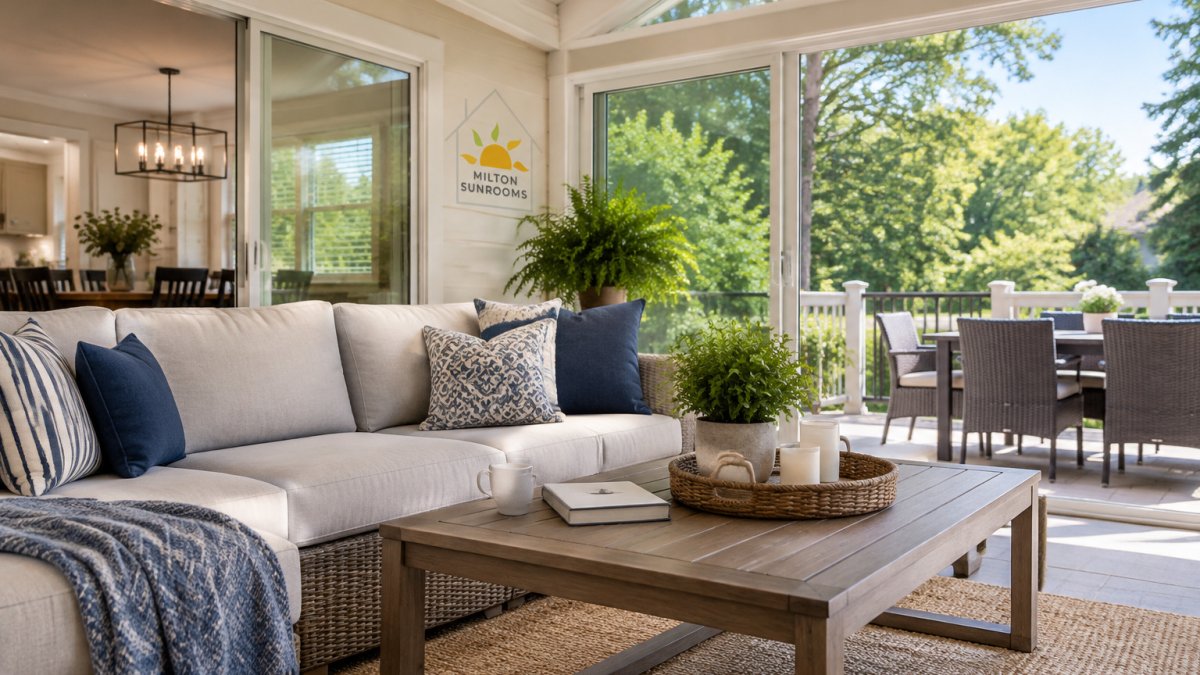
Outdoor living room ideas should make the space feel like an extension of your home, not a separate patio. Comfort comes from layered lighting, soft furnishings, and natural elements.
- Layered lighting: overhead, task, and accent lights for evening use
- Weather-resistant rugs: define the seating area and add warmth
- Plants: bring natural elements inside the enclosure
Lighting changes everything after dark. String lights, a dimmable overhead fixture, and a small table lamp create a warm glow that makes evening use a habit. Add plants to soften hard edges and connect the space to the yard.
Get a Free Quote for a Year-Round Sunroom from Milton Sunrooms
Building a space you can use in every season takes the right design, materials, and installation. That's where we come in. Milton Sunrooms serves homeowners across Metro Atlanta and the surrounding counties, and builds custom sunrooms, porches, and patio enclosures to your specifications.
We repurpose existing decks and porches, use quality materials made to last, and stand behind our work with a customer satisfaction guarantee. If you're tired of a space that only works three seasons a year, we can help. Contact Milton Sunrooms to schedule a free consultation and quote.
A sunroom that seals tight, holds its temperature, and stands up to the weather doesn't happen by accident. It takes careful design and quality construction.
Frequently Asked Questions
How do you maintain an indoor-outdoor living space year-round?
Set a quarterly routine: inspect seals and screens each season, clear gutters before heavy rain, clean glass and tracks monthly, and condition wood or reseal concrete annually. In summer, check shade and ventilation; in winter, test heating and watch for condensation. Keep a written log so small issues like a torn screen or cracked seal get fixed before they let moisture in. Most of the work is 30 to 60 minutes per month.
What maintenance does a sunroom need throughout the year?
Sunroom maintenance breaks into four jobs: cleaning glass, screens, and door tracks; checking weatherstripping and caulk lines for gaps; inspecting the roof, gutters, and foundation for leaks; and caring for flooring and furniture finishes. Spring and fall are the best times for deep inspections, while summer and winter focus on temperature control. Address condensation promptly, since trapped moisture is the leading cause of frame rot and mold in enclosed spaces.
How often should you clean patio doors and screens?
Clean glass and sliding door tracks monthly, and screens every four to six weeks during pollen season. A quick vacuum of the tracks followed by a damp cloth keeps rollers moving smoothly and prevents grit from grinding down the hardware. Inspect screens for small tears each time you clean; patching a hole early costs far less than replacing a full panel and keeps pests out of your seasonal outdoor living space.
Can you keep an indoor-outdoor living space comfortable in every season?
Yes, with the right envelope and controls. Insulated glass, tight seals, and a roof that blocks direct sun keep summer heat manageable, while space heaters, fireplace inserts, or radiant panels extend use into cooler months. Ceiling fans and operable windows or vents handle shoulder seasons. A well-built covered outdoor space with weather-resistant materials holds a comfortable temperature far better than a screened porch, which is why enclosure quality matters more than any single add-on.